




What makes a runtime signal worth acting on?
Fraud teams can use signals from inside mobile banking apps to identify threats that existing fraud intelligence may miss. But before these signals influence decisions about payments, account access, or device enrollment, teams need to establish what the evidence means and whether they can rely on it.
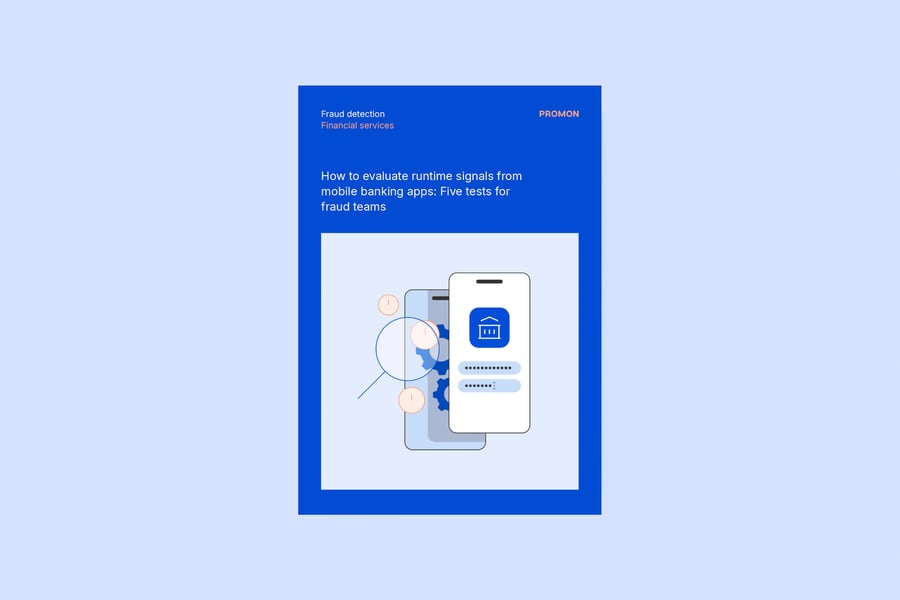
This practical whitepaper explains how to evaluate runtime evidence before incorporating it into existing fraud controls. Using the enrollment of a new phone as a running example, it introduces five tests that help fraud teams assess the quality and usefulness of in-app threat signals.
What you'll learn:
 Relevance: Identify which runtime signals are useful for specific banking risk decisions.
Source: Assess whether signals originate from a genuine, protected application.
Absence: Distinguish between a session with no detected threats and one where evidence is missing.
Attribution: Connect runtime events to the correct application instance and banking session.
Timing: Determine whether signals arrive in time to inform a decision or support a later investigation.
Practical application: Set proportionate responses and measure the value of runtime signals through a controlled pilot.
Can your fraud team trust the signals behind its decisions?
A runtime alert is only useful when you understand what it detects, where it came from, and how it relates to the banking activity you're assessing.
Download the whitepaper to learn how to evaluate runtime evidence and make informed decisions about incorporating it into your fraud prevention processes.