Turn mobile threat signals into PSD3-ready fraud evidence
PSD3 and the EU Payment Services Regulation raise expectations for fraud monitoring, SCA integrity, reimbursement decisions, and evidence across payment channels. But many banks and PSPs still lack trusted visibility into what happens inside the mobile app during high-risk payment moments.
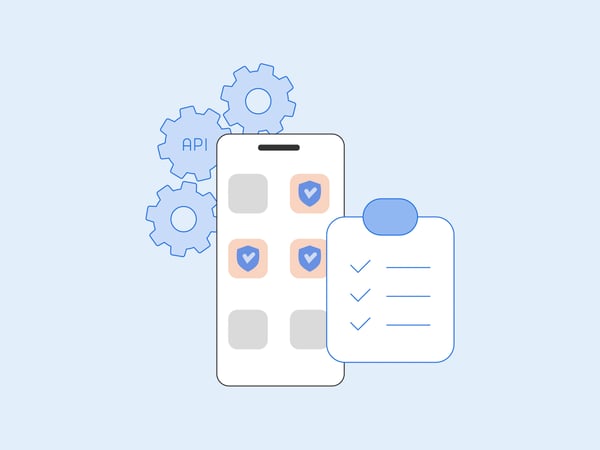
Promon helps protect banking and payment apps at runtime and turns detections of mobile malware, overlays, hooking, emulation, and tampering into structured telemetry for fraud, SOC, and compliance workflows.
PSD3 puts mobile payment journeys under greater scrutiny
PSD3 and the EU PSR are not just legal or policy updates. They push banks and PSPs to strengthen how they detect fraud, protect authentication, monitor payment journeys, and explain decisions when fraud or disputes occur.
That matters because mobile is now central to payment initiation, SCA, wallet enrolment, payee creation, and transaction approval. If the app or device is compromised during those moments, back-end records may not show the full story.
Mobile is where high-risk payment moments happen
Customers authenticate, approve payments, add payees, manage wallets, change limits, and complete other sensitive actions inside the app.
Mobile is where attackers interfere
Mobile malware, overlays, RATs, emulators, hooking frameworks, and runtime tampering target the app environment directly.
Mobile is where evidence is often missing
Fraud, SOC, compliance, and audit teams need trusted mobile signals, not just back-end logs.
Why standard app analytics are not enough for PSD3 and PSR readiness
Standard app analytics can show user journeys, crashes, clicks, and performance. They are not designed to prove whether a banking or payment app was running in a trusted environment during authentication or payment approval.
PSD3-era fraud workflows need security telemetry from the mobile runtime: signals that show whether malware, tampering, overlays, emulation, or instrumentation may have affected the session.
Analytics track behaviour
Useful for product teams, but limited for fraud investigation and runtime integrity.
Security telemetry tracks compromise
It helps show whether the app environment was trusted when the customer acted.
Fraud teams need usable signals
Structured, timestamped, severity-tagged events can support transaction monitoring, investigations, reimbursement decisions, and audit workflows.
What's new in PSD3 compared to PSD2?
PSD3 is more than a PSD2 update. It expands the payments conversation from authentication and open banking into fraud prevention, transaction monitoring, liability, wallet flows, and mobile-device access.
Read the article to understand the seven changes banks and PSPs should watch, and why PSD3 makes mobile fraud evidence, SCA integrity, and trusted risk signals harder to ignore.
Mobile apps under PSD3 and EU PSR: How European banks and PSPs close the protection and evidence gap
This guide shows how European financial institutions can close the mobile protection and evidence gap, from detecting runtime threats such as overlays, hooking, emulation, and RAT activity, to turning mobile threat events into structured telemetry for fraud, SOC, compliance, and audit workflows.
In the guide, you’ll learn how to:
Understand where PSD3 and PSR create new pressure on mobile fraud controls
Identify common mobile attack scenarios that can undermine SCA and payment integrity
See why standard app analytics are not enough for PSD3 scrutiny
Use trusted mobile telemetry to support investigations, reimbursement decisions, transaction monitoring, and audit reviews
Connect app hardening with evidence generation using Promon Shield and Promon Insight
Mobile threats that create the missing fraud signals
Fraud does not always start in the payment engine. It can begin inside the mobile runtime, before the back end receives a transaction request.
Mobile malware in banking apps
Detect malware activity that can interfere with authentication, payment approval, or sensitive app flows.
Overlay attacks
Identify deceptive screens that can capture credentials or manipulate customer approvals.
Hooking and instrumentation
Detect frameworks that modify app logic, intercept functions, or bypass controls.
Emulator detection
Spot controlled environments used for scalable fraud, attack testing, or obscuring device posture.
Runtime tampering
Identify manipulation of app logic, payment parameters, session behaviour, or sensitive functions.
Remote access and accessibility abuse
Surface signals that may indicate attackers are influencing the customer journey on the device.
Where trusted mobile telemetry supports PSD3 fraud workflows
Transaction monitoring
Use mobile runtime signals to strengthen risk decisions before or around payment execution.
SCA integrity
Show whether authentication took place in a trusted app environment.
Fraud investigations
Reconstruct device-level events around disputed or high-risk transactions.
APP fraud and reimbursement decisions
Support decisions with evidence of compromise, manipulation, or clean device posture.
SOC visibility
Detect patterns such as emulator farms, malware activity, overlay campaigns, or coordinated runtime attacks.
Audit and compliance evidence
Give compliance teams structured evidence of how mobile controls operated in practice.
How Promon helps: runtime protection plus trusted fraud telemetry
Promon helps banks, PSPs, fintechs, issuer wallets, and payment providers protect mobile apps at runtime and generate trusted mobile threat telemetry for fraud, security, and compliance teams.
This is the core Promon-alone story: we do not replace a full PSD3 compliance programme. We strengthen the mobile security and telemetry layer that PSD3-era fraud monitoring depends on.
Mobile app hardening
Promon Shield for Mobile™: harden the app at runtime
Promon Shield protects banking and payment apps against runtime attacks that can undermine SCA, payment initiation, and transaction approval.
Key capabilities:
Detect rooting, hooking, emulation, overlays, malware interference, and tampering
Built for the teams responsible for mobile payment risk
PSD3 and the EU PSR affect multiple teams. The mobile evidence gap does too. Promon gives each team a clearer view of mobile risk without forcing them to work from disconnected data sources.
Fraud teams
Use trusted mobile risk signals to investigate disputes and support reimbursement decisions.
Security teams
Detect malware, tampering, hooking, overlays, emulators, and runtime manipulation inside the app.
Compliance and audit teams
Access structured evidence that shows how mobile controls operated during high-risk journeys.
Mobile and digital teams
Strengthen app security and telemetry without adding unnecessary friction to release cycles.
Security architects
Feed mobile runtime telemetry into SIEM, fraud engines, monitoring tools, and data lakes.
What sets Promon apart
Proven global trust
Trusted by Tier 1 banks and enterprises, protecting over 2 billion users and transactions daily with no impact on app performance or user experience.
Leaders in mobile app hardening
20 years of innovation in app shielding and RASP, backed by a world-class research team, delivering advanced, field-proven protection against evolving threats.
Frictionless integration
Fully on-premise and CI/CD-ready. No code changes or dependencies — harden your app in minutes with full control.
Truly cross-platform
One integration process, identical results for iOS and Android — saving time, reducing complexity, and ensuring consistent protection quality.
No. Promon does not replace legal, governance, or full compliance programmes. Promon helps close a specific but critical part of the PSD3 and EU PSR fraud story: mobile app protection, device risk visibility, and trusted runtime telemetry.
Why does PSD3 create a mobile evidence problem?
PSD3 and the EU PSR increase expectations around fraud monitoring, SCA integrity, reimbursement decisions, and auditability. Since many high-risk payment actions happen inside the mobile app, banks and PSPs need better visibility into whether the app and device were trusted when those actions occurred.
How does mobile runtime telemetry support fraud teams?
Mobile runtime telemetry gives fraud teams structured signals about threats such as malware, overlays, hooking, emulation, and tampering. These signals can help teams investigate disputed transactions, understand device compromise, and support reimbursement decisions.
What mobile threats can Promon detect?
Promon helps detect threats such as rooting, hooking, emulation, overlay attacks, malware interference, runtime tampering, and other signals that may indicate an untrusted app environment.
Does Insight collect personal data?
Promon Insight is designed to provide non-PII telemetry by default, with customer-controlled enrichment depending on the institution’s governance model, data needs, and deployment approach.
Can telemetry be sent to our existing SIEM or fraud engine?
Yes. Promon Insight can export structured mobile threat events to SIEM platforms, fraud engines, dashboards, data lakes, and compliance workflows.
Do existing Shield customers need another SDK?
No. For existing Shield customers, Insight can be activated through the same integration. Shield and Insight work through the same app integration.
Make mobile threat signals usable in fraud decisions
Tell us about your mobile payment journey, and we will show how Promon Shield for Mobile™ and Promon Insight for App Security™ can support fraud visibility, SCA integrity, and evidence generation.






/compliance-rosette-check.svg)
























_edited.jpg?width=600&name=hero%20(5)_edited.jpg)