Master Android app hacking and security techniques. Learn to identify vulnerabilities, implement robust defenses, and create more secure Android applications.
Review 2024's cybersecurity landscape. Leverage expert predictions, understand emerging threats, and develop strategies to safeguard your digital assets.
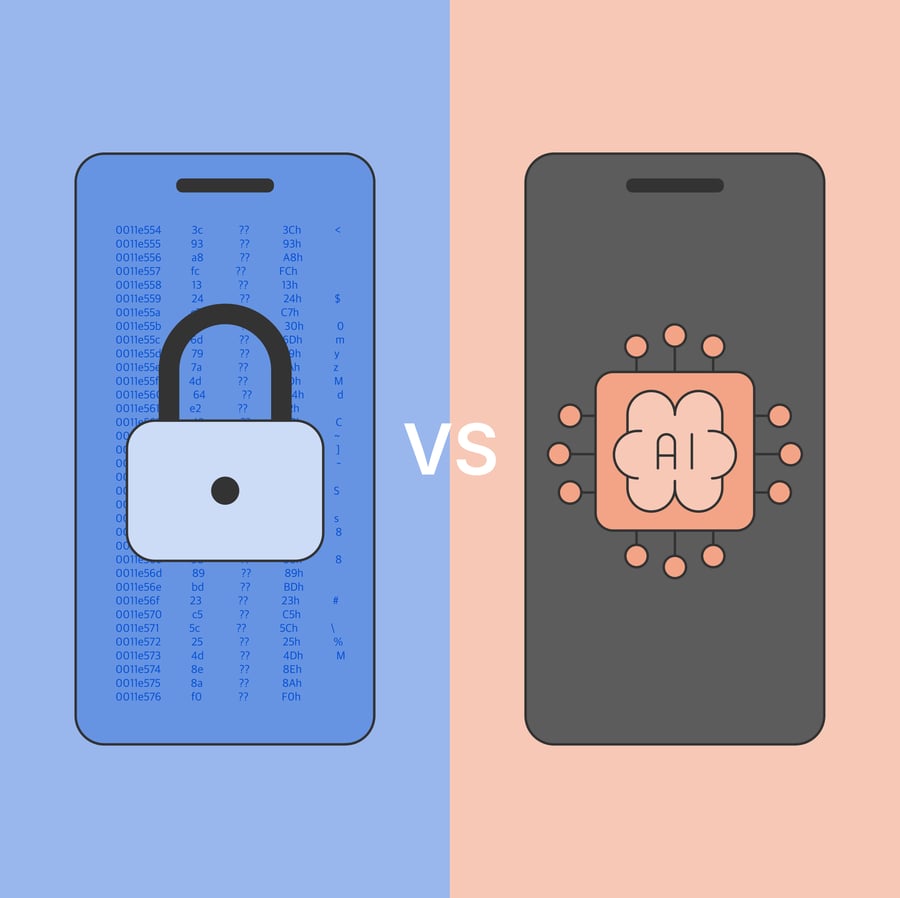
Dispelling the myth: Is iOS more secure than Android?
Debunk iOS vs Android security myths with expert insights. Learn about real-world vulnerabilities, compare platform security, and enhance your mobile app protection.
Understand the StrandHogg 2.0 Android vulnerability. Learn about this serious security threat, protect your apps, and safeguard user data from potential exploits.
Maintain mobile app security compliance by leveraging our comprehensive global legal database, designed to help you stay compliant and secure as your organization expands.
Free
Game
Rapper or Malware?
Test your knowledge! Can you distinguish between rappers and malware names? Boost your app security awareness and brush up on hip-hop trivia.
Application shielding refers to a set of technologies that modify an application’s source, byte, or binary code, making it more resistant to intrusion, tampering, reverse engineering, and malware attacks. Unlike security solutions that monitor and test vulnerabilities, application shielding can detect and prevent real-time attacks against mobile applications.
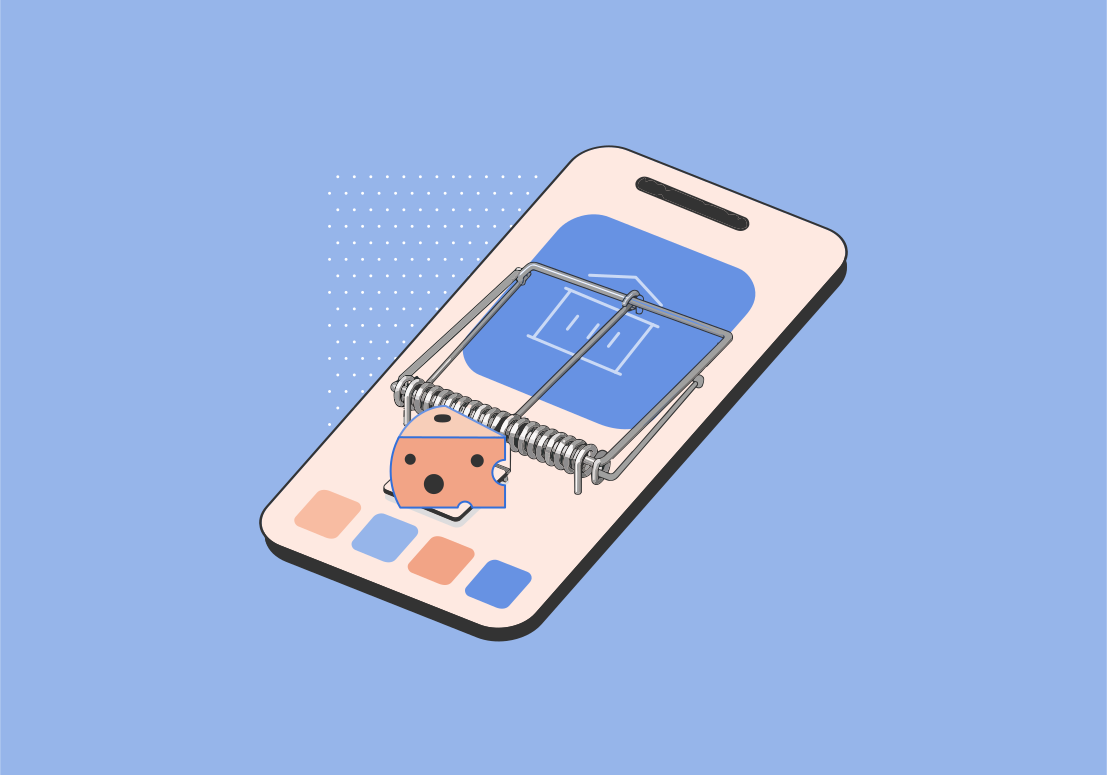
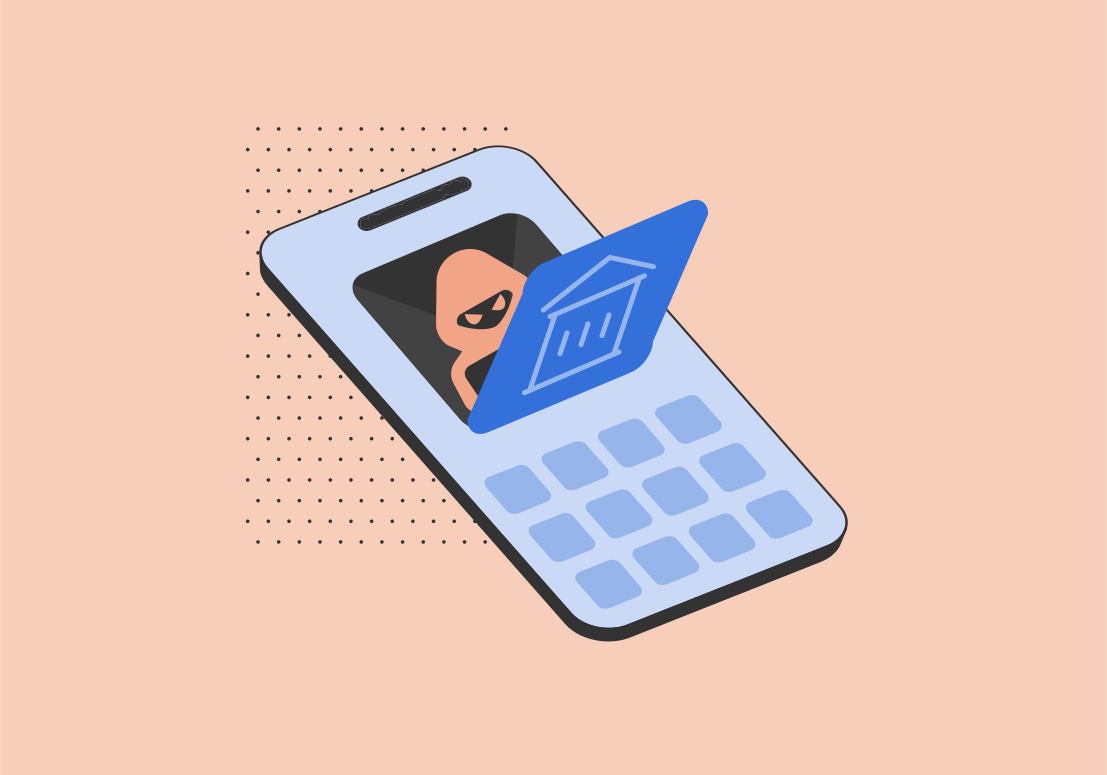
Malware injection involves the unauthorized insertion of malicious code into a mobile app or its environment. This can occur through vulnerabilities within the app itself, compromised third-party libraries, or through other vectors like man-in-the-middle attacks during data transmission. Once injected, the malware can execute harmful actions such as stealing sensitive user data, spying on user activities, or gaining unauthorized access to mobile device functionalities.
Jailbreaking is the process of exploiting vulnerabilities in an iOS device's software to remove manufacturer-imposed restrictions. This allows the user to gain root access to the operating system, enabling the installation of third-party applications, custom firmware, and other modifications not officially sanctioned by the device manufacturer.




















 Compliance
 Compliance
 Mobile app security
 Mobile app security
 FreeDatabaseComing soon
 FreeGame
