











-
The future of on-device GenAI: Why mobile app security must protect at runtime
On-device GenAI changes what runs locally and what attackers can reach. If the intelligence lives in the app, protection has to hold at runtime.23 Apr 2026
-

How to make mobile attack telemetry useful for fraud, security operations, and audit teams
What does strong, mature mobile telemetry look like today? What telemetry data is the most valuable for mobile app security? Is there a practical operating model for mobile attack telemetry, with common execution failures to avoid?16 Apr 2026
-
Behind the shield: A guided approach to protecting mobile apps and SDKs
App shielding is the baseline for mobile app security. But can black-box shielding slow teams down? Does post-compile protection still matter? And is protecting an app and an SDK the same? Find clarity and guidance here.9 Apr 2026
-
Red flags: How dating apps ignore security until revenue waves goodbye
Trace the fragile economics and untracked revenue killers of the dating app industry. Investigate how mobile malware and device compromise are creating a industry-wide security crisis. Learn how runtime protection is revenue protection for dating apps.30 Mar 2026
-
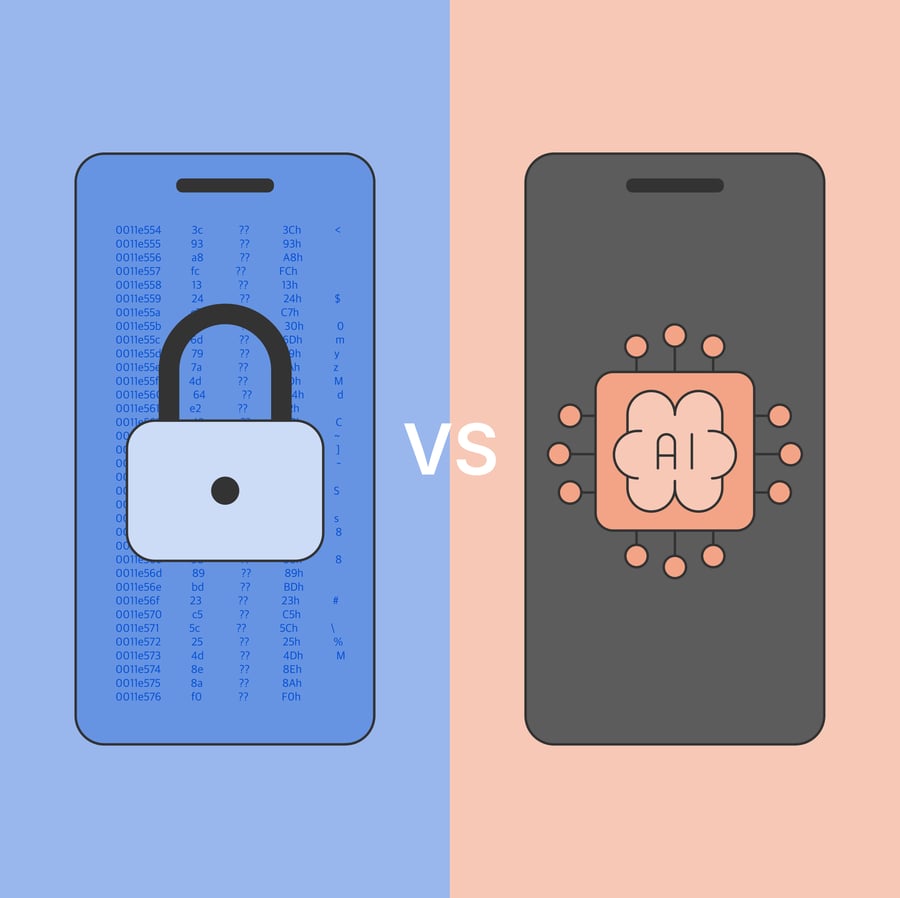
App Threat Report 2026 Q1: The State of Code Obfuscation Against AI
Discover what happened when Promon's security team tested leading AI models against OLLVM obfuscation. Where did mobile app code protection hold up and where did it fall short? What are the key takeaways and recommendations for security and product teams?26 Mar 2026
-
Protection is not intelligence: Why blocking mobile threats is no longer enough
Uncover the cost of mobile app protection without intelligence. Discover the plan to take you from protection to intelligence, and the products that transform protection into intelligence.18 Mar 2026
-
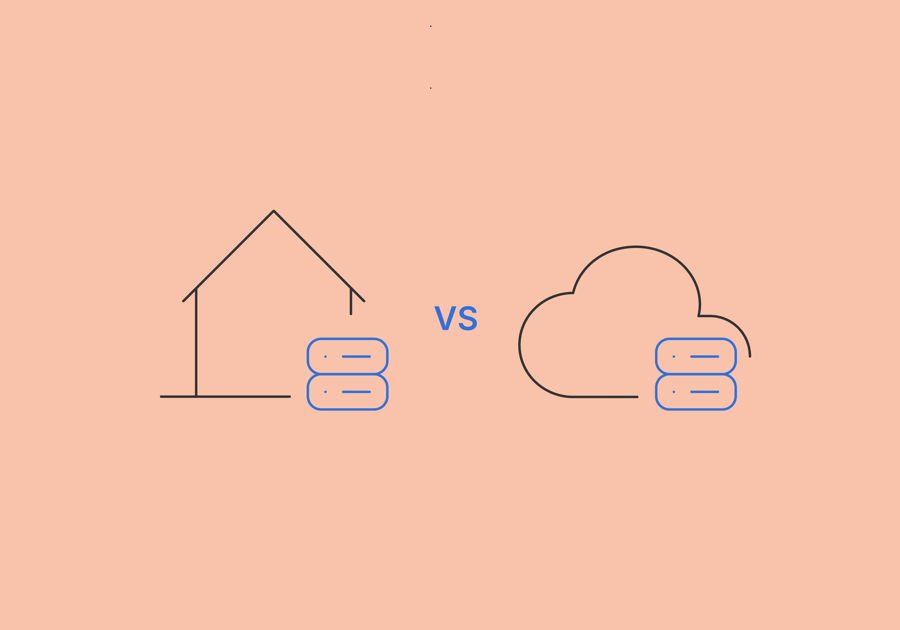
On-prem vs cloud for mobile app protection: A guide to customer choice
What are the main deployment options available for mobile app security products? Does an on-prem or cloud model best suit your organizational needs?12 Mar 2026
-
Three reasons why your payment app needs to get EMVCo certified: How app shielding can help you get there
This paper will look at the three main reasons why mobile payment apps need to get EMVCo certified and the benefits of EMVCo SBMP certified Software Protection Tool solutions.3 Mar 2026
Blogs
Keep up with the latest developments in iOS and Android security, code obfuscation, compliance, API protection, and more.
View all-
How a major fast-food chain secured its customer loyalty app
-
How a government agency improved citizen data protection
Customer stories
From startups to multi-nationals, learn how our customers stay secure with Promon.
View allWebinars & events
Attend a webinar, meet us at industry events, and secure your spot at exclusive Promon-hosted sessions.
View allProtection Isn’t Intelligence: Why Blocking Mobile Threats Isn’t Enough

-
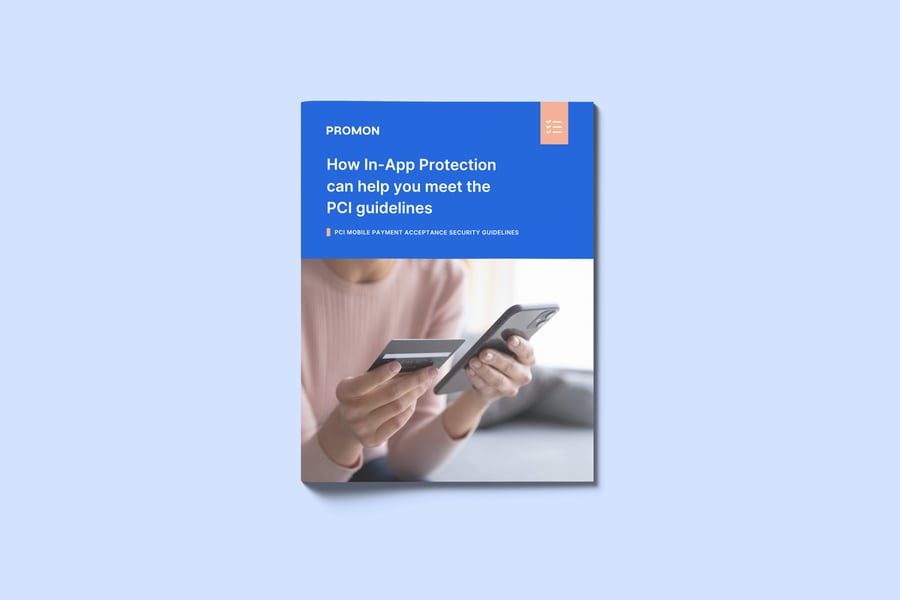
PCI DSS compliance checklist
Streamline PCI DSS compliance with our security checklist. Ensure data security, protect customer information, and meet industry standards. -
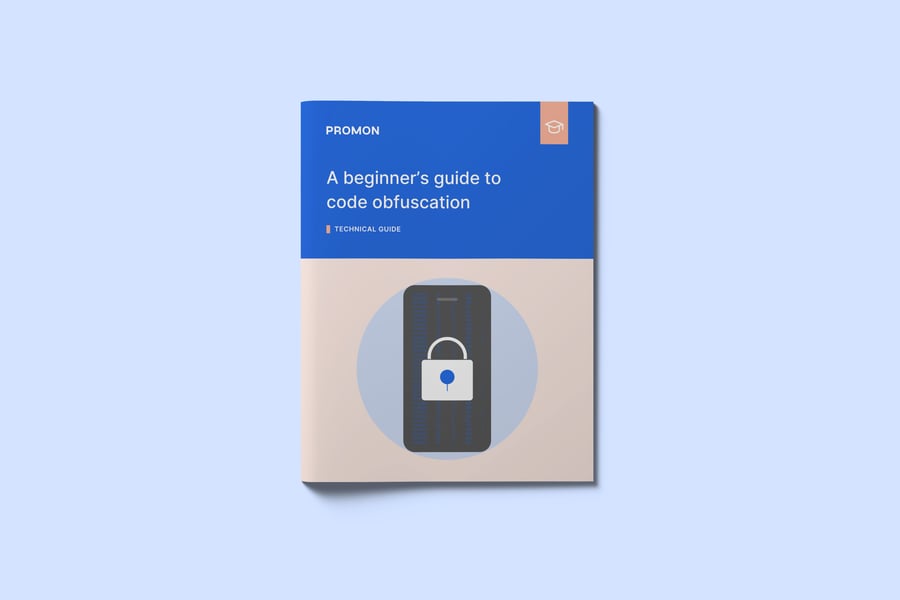
Beginner's guide to code obfuscation
Learn app code obfuscation with our expert guide. Protect intellectual property, prevent reverse engineering, and strengthen your app's defenses. -
StrandHogg 2.0: A new Android vulnerability
Understand the StrandHogg 2.0 Android vulnerability. Learn about this serious security threat, protect your apps, and safeguard user data from potential exploits.
Ebooks & whitepapers
Download detailed mobile app protection checklists, reports, ebooks, and more.
View all-
 Compliance
Mobile payments on COTS: How to comply with PCI MPoC
Learn how the PCI MPoC Standard secures mobile payment apps on COTS devices, with detailed compliance domains, modules, and essential security requirements.16 min read 10 Jun 2025 -
 Compliance
Navigating Germany's BSI cybersecurity requirements for digital health applications (DiGAs)
German DiGA providers face strict BSI data security standards. Learn how to secure your app, stay compliant, and protect your users and reputation in the healthcare market.9 min read 2 Jun 2025 -
 Mobile app security
A guide to Zero Trust for your mobile apps
A strategic roadmap for extending Zero Trust to mobile apps, offering runtime protection insights and boardroom-ready justifications.7 min read 27 May 2025 -
 Mobile app security
The ultimate guide to code obfuscation for security professionals
Code obfuscation helps protect your code and app data. Here's an in-depth guide on how it works and what you can do to improve your app's security.16 min read 8 May 2025
Knowledge Center
Get the A-Z on everything from app shielding and obfuscation to AI in cybersecurity.
View all-
 FreeDatabaseComing soon
Promon Global App Security Compliance Handbook
Maintain mobile app security compliance by leveraging our comprehensive global legal database, designed to help you stay compliant and secure as your organization expands. -
 FreeGame
Rapper or Malware?
Test your knowledge! Can you distinguish between rappers and malware names? Boost your app security awareness and brush up on hip-hop trivia.
Tools & games
Get insight into your mobile app security risk with our calculators, databases, quizes, and games.
View allStay ahead with expert insights
-

Discover our mission
Learn how we’re revolutionizing app security to protect what matters most.
About us -

Have any questions or feedback?
We value your input. Whether you have suggestions, inquiries, or just want to share your thoughts, our team is here to help.
Contact us